
Phlebotomy technicians are vital contributors in healthcare settings, supporting diagnostic processes by collecting blood specimens for tests that help detect, monitor, and treat health conditions. This role continues to attract people who want meaningful work, patient interaction, and a healthcare career with strong growth potential.
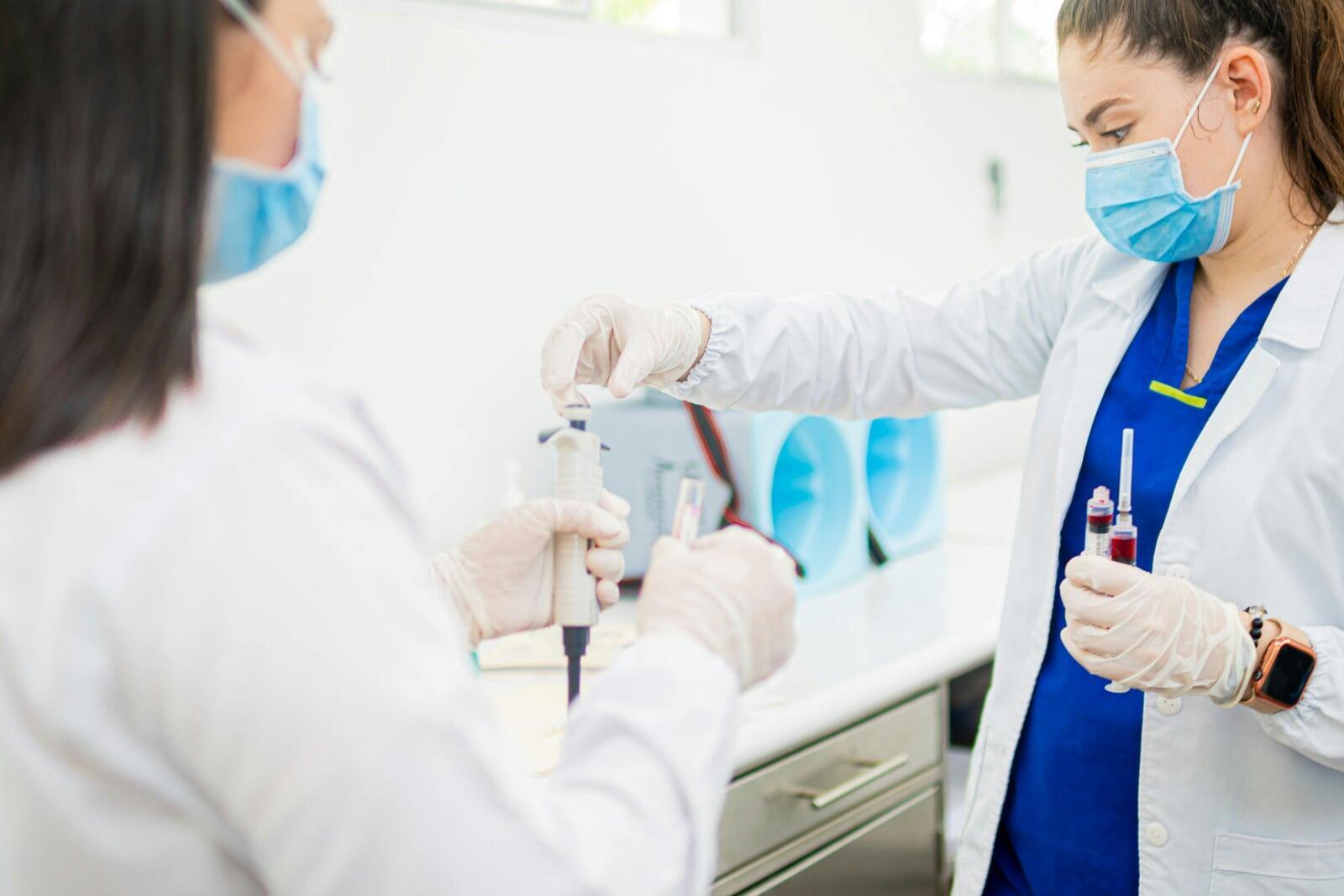
With a growing demand for skilled technicians and flexible pathways into the field, phlebotomy is worth considering if you’re exploring hands-on careers in healthcare.
Demand and Job Outlook
According to the U.S. Bureau of Labor Statistics (BLS), employment of phlebotomists is projected to grow much faster than the average for all occupations through 2032, driven by increased demand for diagnostic testing as the population ages and healthcare services expand (BLS, 2024).
This growth reflects an ongoing need for professionals who can support routine and specialized testing across a range of settings—from hospitals and urgent care clinics to research labs and blood banks. As healthcare becomes more personalized and technology continues to advance, technicians who can perform vital lab collection tasks will remain in demand.
What Phlebotomy Technicians Do Every Day
Phlebotomy technicians do more than draw blood. Their work is integral to accurate diagnosis and quality patient care. Key aspects of the role include:
Collecting blood specimens for laboratory analysis
Preparing equipment and ensuring proper patient identification
Supporting patient comfort, especially for those with anxiety or fear of needles
Labeling and handling samples according to strict quality standards
Maintaining patient confidentiality and safety
By combining technical skills with interpersonal communication, phlebotomists help bridge clinical procedures and positive patient experiences.
Earning Potential and Career Paths
The median annual wage for phlebotomists was $38,770 in May 2022, although pay can vary based on location, healthcare setting, and experience (BLS, 2024).
More experienced technicians or those in supervisory and specialized roles may earn significantly more, especially in settings such as blood donation organizations, research institutions, or urgent care facilities.
The flexibility of this career also allows many technicians to pursue opportunities in related fields such as:
Medical assisting
Laboratory technology
- Nursing support roles
- Clinical administrative positions
Skills That Help You Succeed
Even though formal certification isn’t always required, most employers prefer or require credentialed technicians. Completing training helps demonstrate competence and may open more job opportunities. Key skills for success include:
Knowledge of human anatomy and blood testing technologies
Strong communication skills to explain procedures and reassure patients
Fine motor control for accurate and efficient sample collection
Attention to detail for labeling, documentation, and quality control
Why So Many Choose Phlebotomy
There are several reasons this field appeals to people entering healthcare:
Rapid training and entry: Programs can often be completed in less than a year, allowing you to begin working sooner than many other healthcare careers.
Meaningful patient contact: Phlebotomists interact with patients at critical moments, helping put them at ease and contributing to their care experience.
Portability: Skills gained in phlebotomy are needed in healthcare systems nationwide, making this a practical choice for mobile professionals and military spouses.
Strong growth prospects: With healthcare demand rising and more diagnostic services in community settings, phlebotomists are increasingly essential.
Frequently Asked Questions
How long does it take to become a certified phlebotomy technician?
Most training programs can be completed in less than a year, depending on the schedule and format (online, in-person, or hybrid). Certification exams are usually available shortly after completing training.
Where can phlebotomists work?
Phlebotomists are needed in hospitals, clinics, blood donation centers, laboratories, nursing homes, and research facilities. This portability makes it an ideal career for those who may relocate frequently, including military families.
Is certification required for career advancement?
There are several reasons this field appeals to people entering healthcare:
Rapid training and entry: Programs can often be completed in less than a year, allowing you to begin working sooner than many other healthcare careers.
Meaningful patient contact: Phlebotomists interact with patients at critical moments, helping put them at ease and contributing to their care experience.
Portability: Skills gained in phlebotomy are needed in healthcare systems nationwide, making this a practical choice for mobile professionals and military spouses.
Strong growth prospects: With healthcare demand rising and more diagnostic services in community settings, phlebotomists are increasingly essential.
Most training programs can be completed in less than a year, depending on the schedule and format (online, in-person, or hybrid). Certification exams are usually available shortly after completing training.
Phlebotomists are needed in hospitals, clinics, blood donation centers, laboratories, nursing homes, and research facilities. This portability makes it an ideal career for those who may relocate frequently, including military families.