
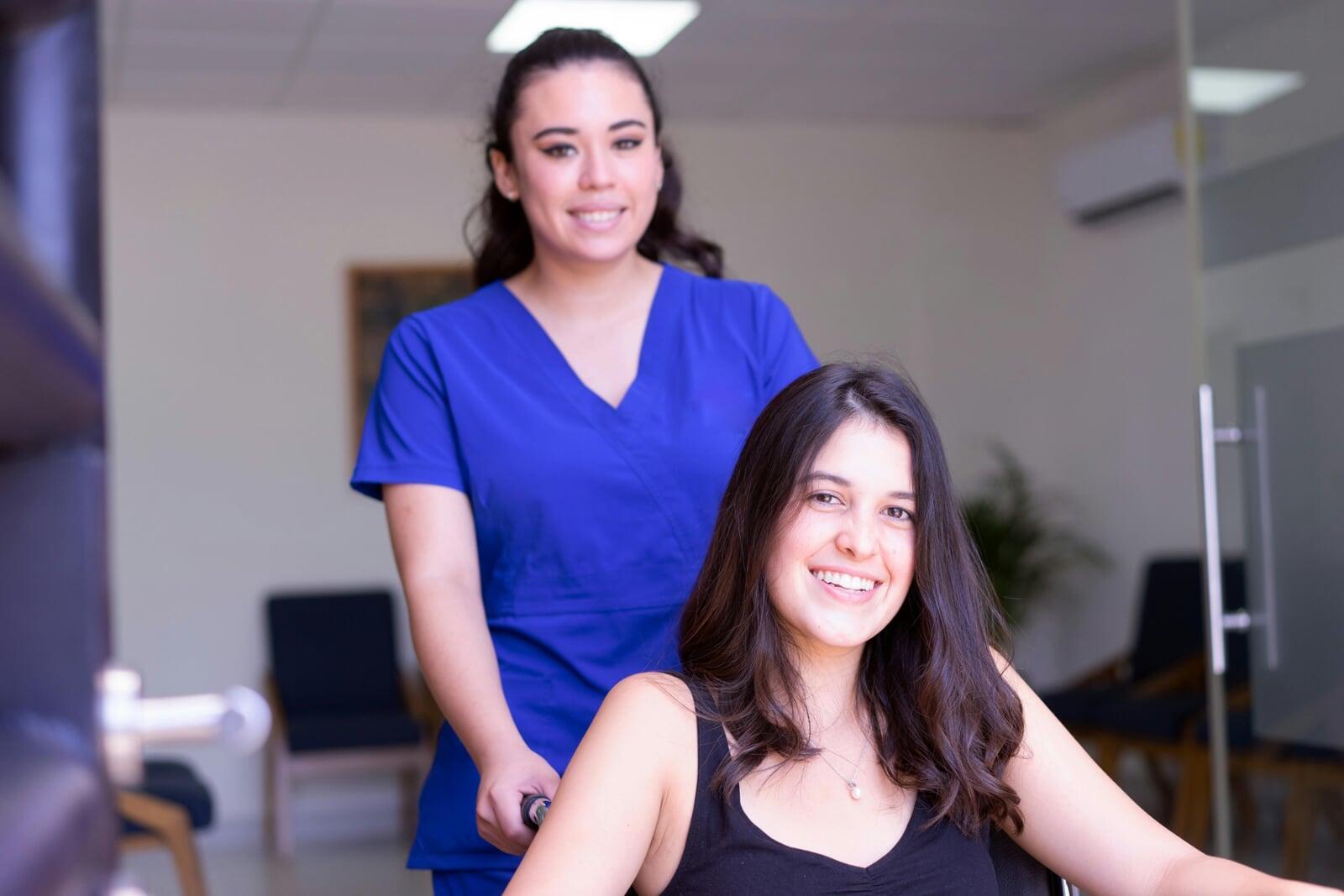
Healthcare in 2026 is very different from what it was a decade ago. Hospitals are no longer the only center of care. Most patients are now treated in outpatient clinics, urgent care centers, and private practices where speed, efficiency, and coordination matter just as much as medical expertise.
In this environment, one role continues to stand out as essential: the Clinical Medical Assistant.
Not as a background role. Not as an optional support position. But as a core part of how modern healthcare actually functions.
How the Healthcare Job Market Is Shifting Right Now
The demand for healthcare support roles continues to rise as systems adapt to higher patient volumes and faster care delivery models.
Behind these numbers is a simple reality:
Healthcare systems are consistently hiring for this role because clinics cannot function efficiently without it.
Modern healthcare is built around speed and coordination.
Clinical Medical Assistants help maintain that balance by supporting both patient care and clinic operations.
Their responsibilities often include:
Assisting physicians during examinations and procedures
Recording patient histories and vital signs
Managing electronic health records and documentation
Preparing patients for treatment
Coordinating scheduling and patient flow
In many healthcare settings, they are the link between the patient experience and the clinical process.
Key drivers include:
Expansion of outpatient and urgent care services
Increasing patient demand from aging populations
Ongoing workforce shortages across healthcare roles
Pressure to improve efficiency and reduce physician workload
General ranges include:
Median annual wage: approximately $44,000 (U.S. Bureau of Labor Statistics, https://www.bls.gov/ooh/healthcare/medical-assistants.htm
Higher earning range: $50,000–$58,000+ depending on specialization and location
Entry-level positions: lower starting pay with growth based on experience and certification
For many professionals, this role serves as a foundation for future advancement into nursing, healthcare administration, or specialized clinical fields.
What It Really Takes to Step Into a Clinical Medical Assistant Role
Clinical Medical Assisting is often one of the first entry points into healthcare, which means most learners need more than just basic theory before stepping into real clinical environments.
Understanding how clinics operate, how patients move through care processes, and how electronic health records are used in real time is just as important as learning clinical skills like taking vitals or assisting during procedures. The reality of the role is fast-paced, structured, and highly dependent on both communication and accuracy.
This is why many learners look for structured training that reflects actual healthcare environments rather than isolated textbook learning. In real clinics, tasks are interconnected—patient intake flows into documentation, documentation connects to clinical support, and everything must be coordinated efficiently.
Programs such as those offered through World Education are designed around this type of workflow. Instead of focusing only on individual tasks, the learning experience is built to help students understand how all parts of a clinic work together. This includes both administrative systems and hands-on clinical exposure, helping learners build confidence before transitioning into real healthcare settings.
Is certification required to work as a medical assistant?
Certification is not always legally required, but it is strongly preferred by employers. Certified candidates often have better job opportunities, higher starting pay, and more structured career progression.
What is the difference between a medical assistant and a nurse?
Medical assistants support both clinical and administrative tasks under supervision, while nurses have broader clinical responsibilities and require more extensive education and licensing. Medical assisting is often seen as an entry point into the nursing pathway.
Can Clinical Medical Assisting lead to other healthcare careers?