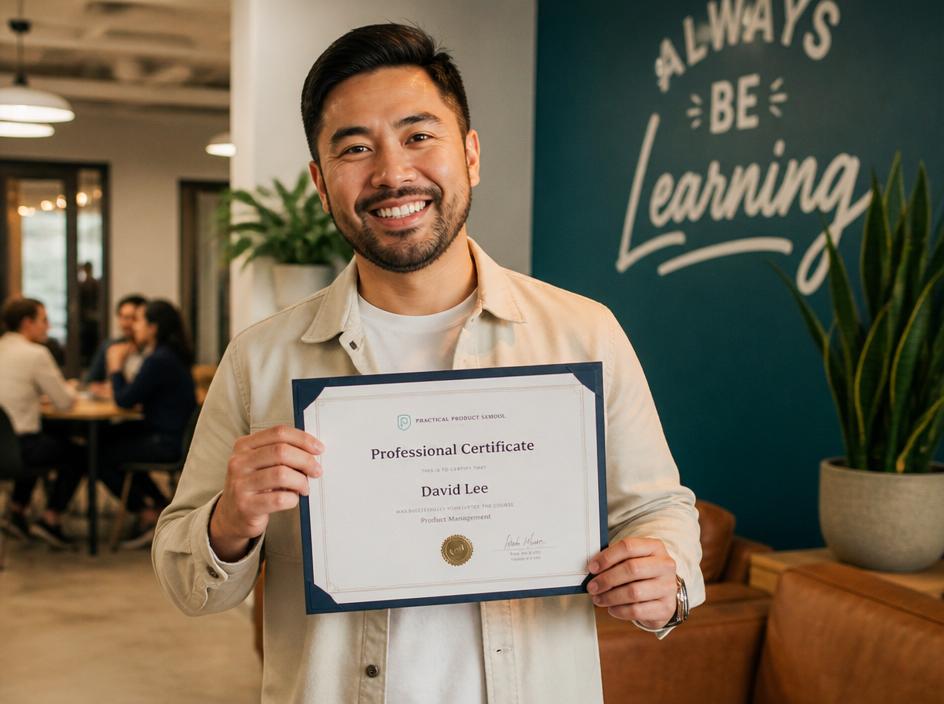
"I finally had a credential that translated."
For many career changers, experience alone isn't always enough.
Imagine spending years building valuable skills — communicating with customers, solving problems, leading teams, and managing responsibilities — only to discover that employers in a new industry don't immediately recognize that experience.
It's a challenge many professionals face when changing careers. While transferable skills are important, employers often look for credentials that clearly demonstrate industry-specific knowledge and technical competency.
According to the U.S. Bureau of Labor Statistics Occupational Outlook Handbook, many of today's fastest-growing occupations are concentrated in healthcare, information technology, business, and skilled trades, where certifications and specialized training can strengthen a candidate's qualifications.
Learn more at BLSExperience still matters
Changing careers doesn't mean starting over.
Many skills developed in previous jobs — communication, teamwork, organization, customer service, and leadership — remain valuable across industries. The difference is learning how to connect those skills to a new profession.
For example, someone working in retail may already have experience resolving customer concerns and managing multiple priorities. Those same abilities are valuable in healthcare administration, project coordination, and many business roles.
A professional credential helps employers understand that you've also developed the technical knowledge needed for your new career.
Why employers value certifications
Employers want confidence that new hires can contribute from day one.
Industry-recognized certificates demonstrate commitment, practical knowledge, and a willingness to continue learning — qualities many hiring managers actively seek.
The World Economic Forum's Future of Jobs Report 2025 notes that technology, automation, and changing business needs are increasing demand for workers who continuously develop new skills throughout their careers.
Read the reportTurning potential into opportunity
Career-focused training isn't simply about earning another certificate — it's about creating new opportunities.
Whether you're transitioning from military service, returning to work after time away, or exploring a completely different industry, structured career training helps bridge the gap between past experience and future goals.
Many employers appreciate applicants who show initiative by investing in professional development before applying for new positions.
A credential can help tell your story
Think of your credential as part of your professional story.
Your previous experience demonstrates reliability, work ethic, and transferable skills. Your education shows you're committed to learning something new. Together, they present a stronger picture of who you are and what you can contribute.
That's especially important when applying for positions in growing industries where employers receive applications from candidates with a variety of backgrounds.
Preparing for what's next
Career changes can feel uncertain, but they also create opportunities for growth.
Whether you're pursuing your first certification or building on years of professional experience, career-focused education can help you gain the confidence and knowledge needed to move forward.
At World Education, we believe every learner brings valuable experience to the classroom. Our programs are designed to help students build practical, industry-relevant skills that complement what they already know — preparing them for the next chapter in their professional journey.
Ready to take the next step?
Explore programs that match this path.